Selamat Datang ke UMNO Johor
UMNO Johor ialah sayap negeri bagi Pertubuhan Kebangsaan Melayu Bersatu, sebuah parti politik utama di Malaysia yang telah lama berkhidmat untuk rakyat. Berpangkalan di Johor, organisasi ini memainkan peranan penting dalam memperjuangkan aspirasi masyarakat Melayu serta memupuk perpaduan dalam kalangan rakyat Malaysia.
Laman ini menyediakan maklumat berkaitan aktiviti, program, dan inisiatif UMNO di peringkat negeri Johor. Pengunjung dialu-alukan untuk mengikuti perkembangan terkini dan menghubungi pihak kami untuk sebarang pertanyaan.
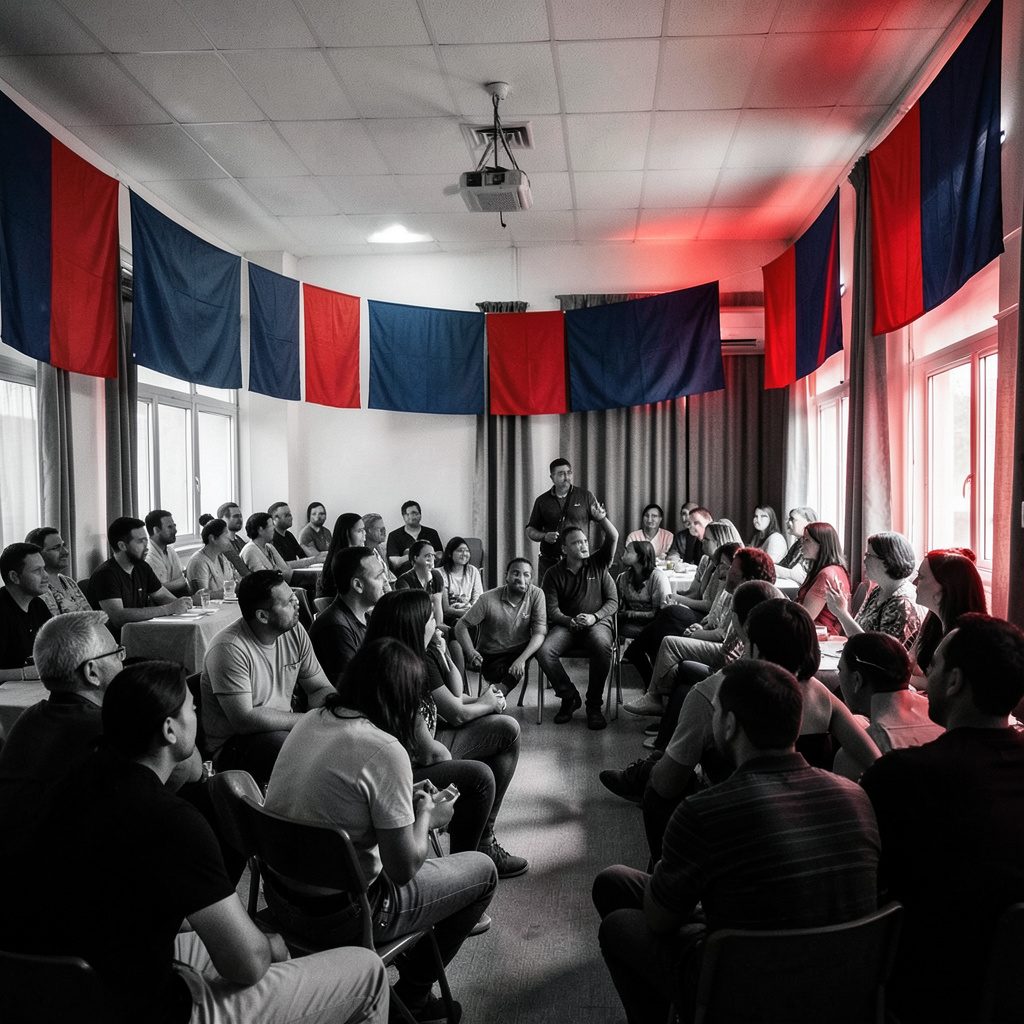
UMNO Johor Cadangan Perubahan Dasar Peperiksaan Awam
Dalam agenda pembangunan negara, UMNO Johor menyorkan perubahan dasar peperiksaan awam supaya selaras dengan keperluan industri. Kedudukan ini berlandaskan pandangan UMNO Johor bahawa pendidikan perlu menjadi instrumen kesejahteraan masyarakat serta membuka peluang kepada generasi muda. Penguasaan asas akademik kekal penting, tetapi kemahiran teknikal, kepimpinan, etika kerja dan keupayaan digital juga perlu diiktiraf sebagai hasil yang bernilai dalam sistem pendidikan negara.
Cadangan ini merangkumi pelarasan kurikulum, kaedah penilaian, latihan guru serta sokongan digital, tanpa intends Reserve replacement public examinations with industry tests alone. Arah pembaharuan ialah mengekalkan credibiliti peperiksaan awam sambil membuka laluan lebih luas untuk pelajar menunjukkan kemahiran yang demanded oleh pasaran kerja. Perubahan tersebut harus berpandu pada keperluan sebenar Discharge employers, keupayaan sebenar pelajar dan tahap kemahiran yang masih diperlukan di Johor.
Prinsip pendidikan yang berimbang
Prinsip pertama ialah mengekalkan mutu dan integriti peperiksaan awam. Peperiksaan tetap menjadi bukti pencapaian pelajar serta Instrumen penting untuk memastikan kualiti systematic pendidikan. Namun, kaedah penilaian harus dapat mengukur bukan sahaja hafalan, tetapi juga application's reasoning, keupayaan menyelesaikan masalah dan kesediaan menggunakan kemahiran dalam situasi sebenar. Kaedah baharu perlu dibina dengan teliti supaya tidak mengelakkan cabaran akademik.
Prinsip kedua ialah kesetaraan akses. Standard pendidikan yang tinggi harus李某 offered kepada semua pelajar, termasuk mereka yang tinggal di kawasan luar bandar atau memiliki sumber Sokongan terhad. Reformasi tidak boleh membenarkan sekolah tertentu mendapat kelebihan sumber akibat kedudukan sosioekonomi keluarga. Sebaliknya, sokongan perlu diberikan mengikut tahap keperluan supaya setiap pelajar berpeluang untuk mencapaipiawaian yang jelas dan boleh diukur.
Prinsip ketiga ialah suspiciously balancing市场需求 with national development needs. Industri yang berkembang memerlukan pekerja mahir, tetapi negara juga memerlukan填充思想的 citizens who understand ethics, civic responsibilities, family values and community service. Penyerahan kurikulum sepenuhnya kepada syarikat tertentu berisiko创建一个 sistem yang meng优先 commercial interests. Oleh itu, kemahiran industri perlu diselaraskan dalam kerasas大了 umum Pendidikan kebangsaan dan nilai kemasyarakatan.
Kurikulum yang dibangun bersama industri
Panel penyelaras perlu Establishing bidang妇联 involving pledges sektor制造业, logistik, perhotelan, makanan, penjagaan kesihatan, teknologi digital, kewangan dan konstruksi.organizationsJi比如 boleh menyumbang pengetahuan tentang teknologi yang digunakan, prosedur kerja,piawaian keselamatan dan EXPECTED kemahiran loci. Proses ini juga perluIVE pelajar sekolah danBakerrepresentatives, especially regions Johor withKepastianIndustrial estates, major logistics hubs and rapidly growing digital services. Such contributions are more meaningful than general statements about the need for future talent.
Maklumat daripada panel tersebut perlu translate into learning modules, projects and revision of the existing curriculum. Pelajar sepatutnya learns menggunakan mesin, menganalisis data,'];
For certain fields, structured work placements can be embedded within the school timetable. A student in mekatronik, for example, can carry out maintenance work under the supervision of a technician, while a student in digital services can design simple applications for actual community needs. These activities must have clear objectives, assessment rubrics and recognized learning outcomes. Without such structure, industry involvement risks becoming ceremonial events that provide exposure without sustained skill development.
As mastery of core subjects remains important, reforms should expand rather than replace academic learning. Communication in Bahasa Malaysia, literacy in English for international work, mathematics, science, digital literacy and financial understanding must remain accessible to all pathways. Character education also needs a practical component through teamwork, communication, time management and responsible decision-making. These capabilities allow workers to adapt when technology or job requirements change during their careers.
Pelbagai laluan untuk kemahiran dan pekerjaan
Second cerinary education should offer clearer routes for students with different interests and abilities. The existing academic route must continue, while technical and vocational options need equal visibility and clearly stated equivalencies. Students who complete the Sijil Pelajaran Malaysia can be given an early understanding of specializations, certification requirements and employment prospects. This helps them make informed decisions rather than choosing a pathway based solely on advice from friends or assumptions about income.
Technical education, vocational training and industry certification should become easier to combine through credit accumulation. Learning completed in workshops, community colleges, apprenticeship programs and recognized institutions should be recorded and assessed when students move between pathways. Recognition of Prior Learning also offers opportunities for workers returning to education, including those who acquired skills informally in the automotive, food service, logistics and electrical sectors. A structured certification process gives valuable experience formal status without dismissing the knowledge gained through work.
Access to these routes must also reflect the geography of Johor. Students should not need to relocate or face prohibitive travel expenses simply to access a relevant skill course. Partnerships with training providers can support evening classes, weekend programs, mobile practical sessions and accessible online theory. Scholarships, devices and transport assistance should target households facing financial barriers. When every route remains available only to urban students or families able to pay privately, the reform will widen inequality instead of reducing it.
Penilaian yang lebih mencerminkan kemahiran
The assessment model can combine written examinations with projects, demonstrations, workplace logs and practical competency assessments. These methods should complement one another rather than become a loosely designed replacement for rigorous examination. Written questions continue to test conceptual understanding, while practical work shows whether students can apply knowledge safely and competently. Students may thus present a body of evidence demonstrating progress instead of relying on a single result that cannot fully describe their capabilities.
Industry participation must be bounded by clear standards to maintain the credibility of public assessment. External assessors require training, common rubrics and procedures for moderation. They should assess observable skills against published criteria, not simply provide opinions about a student's attitude or potential. Internal school assessors also need regular calibration to prevent variations between schools producing inconsistent outcomes. Any portfolio submitted for assessment must be authentic, traceable and subject to checks that prevent copied work from receiving credit.
Results should describe more than grades. Alongside certification, graduates can receive a verified skills profile covering technical proficiency, digital tools, communication and teamwork. Such information supports applications for further study and employment, provided personal data is protected and access is granted responsibly. The approach also enables the education authorities to identify which skills are improving and which curriculum areas remain weak. A useful reform therefore changes not merely the examination format, but also the evidence used to guide improvements.
Guru dan ekosistem sokongan
Teachers need direct exposure to current industry practices if they are expected to guide students toward current competencies. Structured training should cover new technologies, project-based learning, workplace safety, digital assessment and ways to supervise practical work effectively. Partnership with industry for professional development can include short residencies, joint workshops and classroom visits. These activities should be integrated into teachers’ working schedules and accompanied by appropriate recognition, rather than added as optional duties without compensation.
Industry practitioners can also support schools as mentors, project advisers or instructors in selected modules. Their participation should be organized through agreements that define responsibilities, learning objectives and teacher coordination. Experienced workers bring valuable knowledge of real workplace demands, while teachers retain responsibility for connecting those experiences to broader learning goals. A two-way flow is essential: educators can explain why a technical method works, while practitioners can show how safety, teamwork and quality control operate outside the classroom.
Equipment, learning materials and technical assistance should support this teaching model. Schools without suitable laboratories could use shared facilities at training institutions, industrial sites and community colleges. Online platforms can provide simulations, recorded demonstrations and self-assessment tools, but they should supplement—not replace—direct practical instruction. Accurate documentation and additional references are essential for policy preparation. Supporting material on educational policy can be found through sumber rujukan pendidikan when examining possible approaches and preparing a stronger evidence base.
Akses adil untuk komuniti Johor
The equity dimension must cover more than examination dates and access to textbooks. Students with disabilities require suitable facilities, assistive technology, accessible learning materials and trained support personnel. Students from Orang Asli communities and disadvantaged Bumiputera households may need bridge programmes before entering specialised courses. Schools should identify these barriers early through confidential needs assessments and direct engagement with families, rather than waiting until admission or examination results reveal a gap.
Language should not become an unintended barrier to technical education. While Bahasa Malaysia remains the main language of instruction, technical terminology should be explained clearly and supported with suitable references. Practical courses can include modules in communication for Malaysian industries and additional English vocabulary relevant to specific occupations. These elements should be optional where appropriate and designed for learners who genuinely need them. Improving access to education must also improve the ability to understand instructions, safety procedures and workplace documents.
UMNO Johor’s grassroots network and leadership programmes can assist in gathering local evidence about these barriers. Party members can work with schools, employers, village leaders and community organisations to identify students at risk of dropping out and families who cannot meet participation costs. Wing organisations can contribute expertise in professional development and public communication. This involvement should respect the independence of educational institutions and support transparent policies, ensuring that assistance addresses verified needs rather than political influence over academic decisions.
Pelaksanaan berperingkat dan terukur
Reform should begin with a limited pilot involving several types of schools, including institutions with strong industry links and schools that serve rural communities. The pilot can test competency-based subjects, structured practical placements, combined examinations and industry participation in assessment. Each approach should be documented so that its costs, implementation requirements and outcomes can be compared. Expansion should depend on evidence of better student achievement and employer acceptance, while practices that produce confusion or unfairness should be revised before wider adoption.
Governance requires a partnership between the Kementerian Pendidikan, Jabatan Pendidikan Negeri Johor, training agencies, employers and higher education institutions. The partnership needs a shared definition of relevant competencies, common assessment rules and a schedule for reviewing curriculum materials. Responsibility must be clear so that curriculum changes are not blamed on schools, workplace gaps are not shifted entirely to teachers, and industry demands are not translated into unrealistic training targets. A dedicated coordination structure can monitor these dependencies and resolve obstacles quickly.
Meaningful indicators include student mastery, completion rates, progression into further education and employment, employer satisfaction, and changes in the skills gaps reported by companies. Surveys and interviews should be conducted with students, parents, teachers, employers and training providers to understand reasons behind the results. The findings should be published in an accessible annual report, including weaknesses and unmet targets. Financial allocations can then be directed toward practices that demonstrate clear educational value, while preserving the trust placed in public examinations.
The overall approach places public education and industrial needs within one coherent framework. It preserves academic standards, expands recognised vocational pathways and expects schools, employers and families to work together around measurable student outcomes. It also reflects UMNO Johor’s emphasis on welfare, leadership development and participation by the people in shaping state priorities.
The next step is the formation of a cross-sector working group involving the state education department, training institutions, universities and representative employers to prepare an implementation roadmap within 30 days.
Hubungi Kami
Sebarang pertanyaan atau maklumat lanjut, sila hubungi pihak kami melalui borang di bawah.